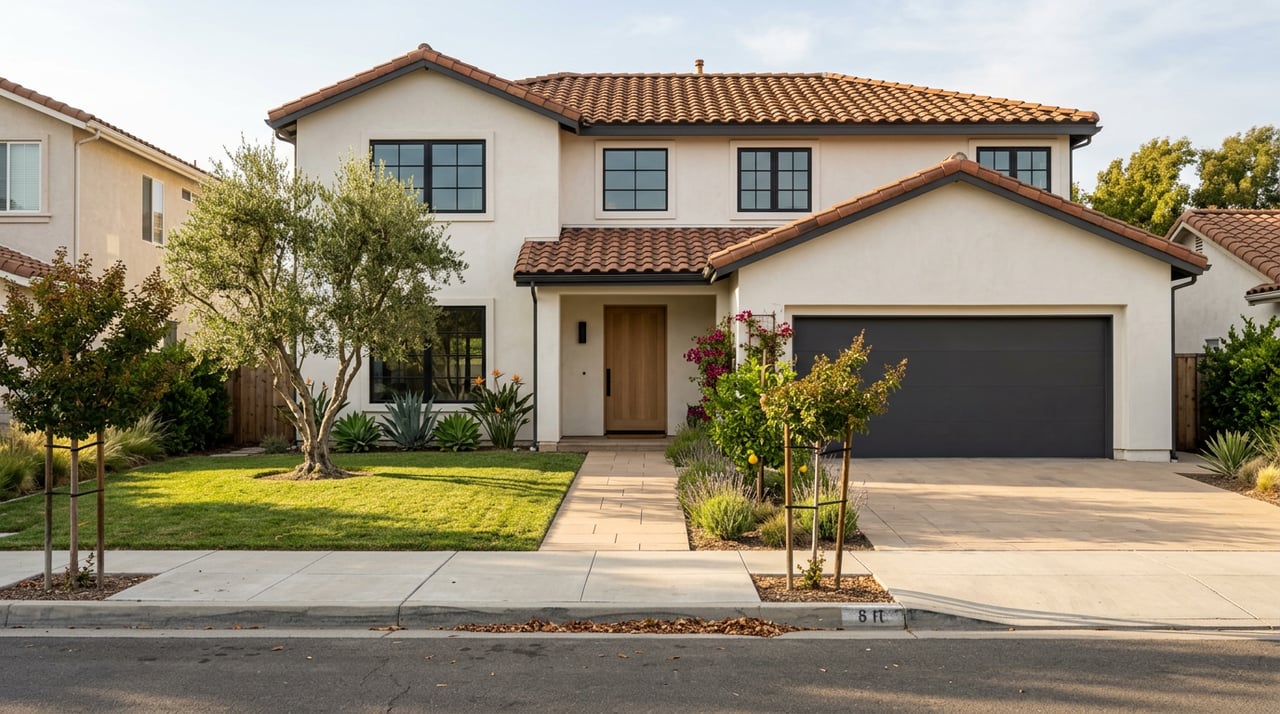
Chula Vista Neighborhood Guide to Homes and Everyday Life
March 5, 2026
March 5, 2026
Thinking about everyday life in Chula Vista? Picture bay breezes, neighborhood parks, and a home that fits your routine and budget. Whether you’re buying your first place or planning a move across town, you want clear facts on housing, commutes, schools, and what weekends really feel like here. In this guide, you’ll learn how Chula Vista’s neighborhoods differ, what homes typically cost, and how to match your lifestyle with the right area. Let’s dive in.
Chula Vista is one of San Diego County’s largest cities, with a population in the high 270,000s and a strong base of owner-occupied households near 60 percent. You’ll find a wide mix of home styles and neighborhood layouts, from classic mid-century streets to newer master-planned villages. These numbers come from the U.S. Census’ city profile, a solid snapshot for planning your move. You can review the official overview in Census QuickFacts.
Commute times are in line with many suburban markets. The mean travel time to work is about 28.6 to 29 minutes for workers 16 and older, based on multi-year Census estimates. That gives you a real-world baseline as you compare neighborhoods and daily travel.
West of I-805, you’ll see older post-war and mid-century single-family homes on walkable grids, plus some condos and small multi-unit buildings near downtown. If you like tree-lined streets, quick trips to Third Avenue’s dining, and faster access to the bay, this side of town is worth a look.
East Chula Vista features large, planned communities like Eastlake, Otay Ranch, Rancho Del Rey, and Rolling Hills. Expect newer single-family homes, townhomes, community parks, and village centers with trails and open space nearby. Many buyers choose these areas for modern layouts and neighborhood amenities.
Chula Vista’s waterfront is transforming under the Port and City’s long-term master plan, adding new parkland, a promenade, and mixed-use areas over time. Phase 1 includes Sweetwater Park and infrastructure tied to the Gaylord Pacific Resort & Convention Center. Get the latest on park openings and public access from the Port of San Diego’s Bayfront project page and its recent project update.
The U.S. Census (ACS 2020–2024) reports a median owner-occupied home value around $758,700 for Chula Vista. Consumer market trackers show current medians in the low-to-mid $800,000s as of early 2026. Use the Census number as a steady, multi-year view and the market medians as a timely pulse. Prices shift weekly, so plan to check active listings when you’re ready to tour.
For many buyers, attached homes are the entry point. You’ll commonly see 1–2 bedroom condos and smaller townhomes priced above $400,000–$600,000, depending on location, condition, and amenities. This can be a smart way to get into the market and build equity.
Most 3–4 bedroom single-family homes cluster between roughly $700,000 and $1.2 million. Neighborhood, lot size, updates, and proximity to parks or village centers drive pricing. Eastlake and Otay Ranch homes with thoughtful upgrades or larger lots can sit toward the higher end of that range.
Well-upgraded or recently built homes in areas like Otay Ranch villages, Sunbow, and Rancho Del Rey II, along with future Bayfront offerings, often exceed $1 million–$1.3 million. If you’re targeting newer construction finishes and larger footprints, set expectations accordingly.
The Bayfront plan is opening more waterfront space for residents, including new parkland and a promenade as phases complete. Sweetwater Park is part of the first wave, with more activation ahead. Track the rollout on the Port’s Bayfront page and its project updates.
For cyclists and runners, the regional Bayshore Bikeway connects Chula Vista to scenic bayfront miles across the South Bay. Inside neighborhoods, you’ll find village parks in Otay Ranch and community standouts like Montevalle Park, Hilltop Park, and Discovery Park near Southwestern College.
Public school services are anchored by two districts:
For higher education and workforce training, the main campus of Southwestern College is right in Chula Vista. Learn more about programs and the University Center at the Southwestern College Chula Vista campus.
Note: Always verify current attendance boundaries directly with the districts, since policies and zoning can change.
South Bay residents have multiple hospital and specialty care options. Acute and specialty services are available at Scripps Mercy Hospital’s Chula Vista campus. For details on services and locations, visit Scripps Mercy Chula Vista. Sharp Chula Vista Medical Center also serves the area.
The mean commute in Chula Vista is about 28.6 to 29 minutes, according to the Census. Many residents drive, but transit can be a strong option, especially if you work near downtown. The San Diego Trolley’s Blue Line serves multiple local stations (E Street, H Street, Palomar Street, and more), offering direct rail access to downtown and northward connections. See the line overview on the Blue Line page. Express and arterial buses, including Rapid 225, add more options across the South Bay.
Key routes include I-5, I-805, SR-54, and SR-125. The South Bay Expressway on SR-125 provides a tolled, faster link from the east side during many peak periods. Get a route overview on the SR-125 page. If you commute at rush hour, plan a few test drives or transit rides to gauge real-world timing.
Hablamos español. If you prefer to review steps or documents in Spanish, let us know and we will tailor the process for you.
Ready to match the right home with the right neighborhood? Our team blends market education with calm, step-by-step guidance, including Buyer’s and Seller’s Guides and a clear plan for negotiations and timelines. Connect with Liz Garcia to start your search with confidence.
Contact Liz Garcia today to assist you with selling or buying your next home. She will work with you through every step. She understands the real estate process and believes in educating clients when selling or buying a home.
2300 Boswell Rd Ste 100 Chula Vista CA 91914