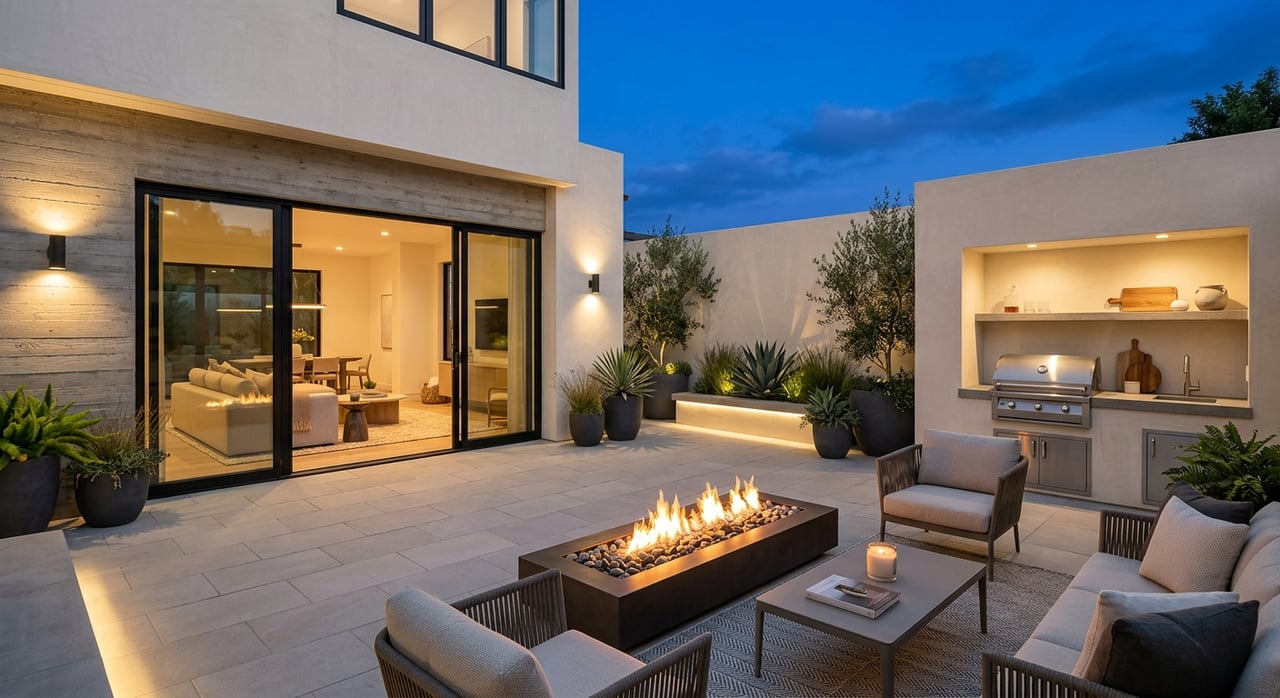
Selling A Luxury Home In La Jolla: Strategy And Presentation
July 23, 2026
July 23, 2026
If you are selling a luxury home in La Jolla, a standard listing plan is rarely enough. In a market where buyers pay close attention to views, condition, pricing, and presentation, small details can shape both interest and leverage. The good news is that with the right strategy, you can position your home to stand out, protect value, and create strong first impressions from day one. Let’s dive in.
La Jolla is not just another San Diego neighborhood. The City of San Diego describes it as a primarily residential coastal community shaped by ocean bluffs, beaches, steep canyons, and hillsides, and notes that it is about 99% built out. That means buyers often focus less on raw availability and more on the exact location, view orientation, lot setting, and condition of the home.
That local context matters when you sell. In La Jolla, you are often marketing more than square footage. You are also marketing the relationship between the home and the coast, the natural light, the outdoor living experience, and access to Village, Shores, or Bird Rock amenities.
Recent market data also shows why precision matters. In the three months ending May 2026, La Jolla’s median sale price was $2,349,210, median days on market were 38, the sale-to-list price ratio was 97.7%, 20.1% of homes sold above list price, and 26.5% had price drops. That tells you the market remains active, but buyers are still selective and price sensitive.
Luxury pricing in La Jolla should be built from close local comparisons, not broad county headlines. Even within La Jolla, pricing can shift based on view corridor, walkability, lot orientation, privacy, updates, and how well the home lives indoors and outdoors. Two homes with similar size can perform very differently if their setting and presentation are not equal.
The current market numbers support a measured approach. With a 97.7% sale-to-list ratio and more than a quarter of homes seeing price drops, overpricing can cost you momentum. A well-calibrated price can attract serious attention early, which is especially important in a market where buyers are comparing quality and value closely.
This is one reason a luxury sale should feel like a micro-market exercise. Regional luxury reports can offer context, but your likely buyer is comparing your home against other specific options in La Jolla, not just a metro-wide average. Pricing needs to reflect that reality.
Luxury buyers expect a home to feel polished before they ever step inside. Cleanliness, decluttering, curb appeal, and thoughtful room presentation are part of the marketing foundation, not optional finishing touches. In a visual-first search environment, preparation directly affects how buyers respond online and in person.
Staging can play a meaningful role here. The 2025 Profile of Home Staging found that 83% of buyers’ agents said staging makes it easier for buyers to visualize a property as their future home. The same report noted that 26% said staging had an effect on most buyers, and about half of real estate professionals said staging reduced time on market.
For many luxury homes, the most important spaces to refine are the living room, primary bedroom, dining room, and outdoor entertaining areas. In La Jolla, buyers are often drawn to how the home frames the setting. Furniture placement, lighting, and editing each room can help highlight views, openness, and indoor-outdoor flow.
Your listing media needs to do real work before a showing is ever scheduled. Zillow’s 2025 prospective-buyer survey found that the most important listing features were floor plans at 33%, high-resolution photos at 26%, 3D or virtual tours at 20%, written descriptions at 15%, and video at 4%.
That ranking gives sellers a useful roadmap. A strong luxury listing should begin with a clear floor plan, crisp professional photography, and a well-produced 3D or virtual tour. Video can still add polish, but it should support the listing package rather than carry it.
In La Jolla, the media should also tell a location story. Buyers often want to understand natural light, view direction, outdoor spaces, elevation, and how the home sits on its lot. The goal is to help someone looking online quickly understand what makes your property distinct.
A luxury home in La Jolla is often tied to a specific way of living. The City of San Diego highlights La Jolla’s beaches, recreational amenities, cultural venues, and commercial districts including the Village, the Shores, and Bird Rock. Those surroundings can support a strong listing narrative when they are presented factually and clearly.
That does not mean using vague luxury buzzwords. It means identifying what is actually true about your property, such as ocean-facing entertaining areas, walkable access to neighborhood amenities, generous natural light, or a layout designed for privacy and hosting. Specific details tend to feel more credible and useful than generic adjectives.
This kind of positioning matters because La Jolla attracts a broad audience. Given its status as a regional destination, your buyer may be local, from elsewhere in San Diego County, or coming from out of area. A polished and consistent visual story helps all of those audiences understand the opportunity quickly.
Luxury selling often includes a privacy strategy. Before your home goes live, it is smart to remove or secure personal papers, medications, valuables, firearms, family photos, calendars, awards, and other identifying items. This helps the home show more cleanly while also protecting your personal information.
Showing strategy matters too. Open houses can create broad exposure, but some luxury sellers prefer more controlled access. Appointment-based showings or screened visits can be a better fit when privacy, security, or daily disruption are top concerns.
NAR safety guidance supports securing valuables and limiting access to identified or pre-qualified buyers when appropriate. In practice, that can help you maintain a welcoming presentation without making the process feel too open-ended.
Before making exterior improvements, it is important to check whether permits or reviews may apply. In La Jolla, coastal-zone and site-work issues can matter more than they do in inland areas. The California Coastal Commission states that development in the coastal zone generally may not begin until a coastal development permit has been issued, and the City of San Diego requires building permits for construction and improvement work.
The city also notes that projects involving decks, patios, fences, vegetation removal, or similar work may need evaluation in environmentally sensitive areas such as coastal beaches, sensitive coastal bluffs, or special flood hazard areas. If you are thinking about pre-listing improvements, permit review should come before work begins.
This can save time and reduce surprises later. Buyers at the luxury level often ask careful questions about updates, records, and site work. Handling due diligence early can make your sale feel more organized and credible.
Luxury homes are not exempt from standard disclosure rules. In California, sellers of residential property must provide a Transfer Disclosure Statement under Civil Code Section 1102. Natural Hazard Disclosure rules are addressed under Civil Code Section 1103.
The California Department of Real Estate also notes that listing and selling brokers must complete a reasonably competent and diligent visual inspection of one- to four-unit residential property. This is one reason your listing process should include enough time to review the property carefully, gather available documents, and address questions before the home hits the market.
If your home was built before 1978, lead-based paint rules may also apply. Sellers must disclose known lead-based paint and lead hazards and provide buyers a 10-day period to conduct a paint inspection or risk assessment. In a market with older coastal homes and remodeled properties, this can be especially important.
A luxury listing agent should do more than post your home online. You should expect guidance on pricing, preparation, staging decisions, professional photography, floor plans, showing management, and the overall marketing story. You should also expect clear explanations around disclosures, timing, and any permit-related concerns that may affect your sale.
Process matters just as much as promotion. In a market like La Jolla, where presentation and pricing both influence results, calm step-by-step guidance can help you avoid rushed decisions. A strong plan gives you a clearer path from pre-listing prep to negotiation.
That is where an education-first approach can make a real difference. When you understand why each step matters, it becomes easier to prepare your home well, evaluate buyer feedback, and respond with confidence rather than stress.
If you are thinking about selling a luxury home in La Jolla, the best first step is a strategy conversation built around your property, your timing, and your goals. For clear guidance, thoughtful preparation, and a calm listing process, connect with Liz Garcia.
Contact Liz Garcia today to assist you with selling or buying your next home. She will work with you through every step. She understands the real estate process and believes in educating clients when selling or buying a home.
2300 Boswell Rd Ste 100 Chula Vista CA 91914